Bunglon: A Romantic Script Font That Elevates Real Small Business Branding
Last Tuesday, I sat at my kitchen table with a stack of blank candle labels, a half-finished Shopify banner, and that familiar “something’s missing” feeling. My client—a small-batch candle maker in Portland—had just launched her second scent line, and while the fragrances were stunning (think bergamot + vetiver, not just “vanilla”), the packaging felt… polite. Friendly, but forgettable. She’d been using a free script font she found online—pretty enough, but inconsistent in stroke weight, awkward on tiny jar tags, and oddly stiff when set as a logo. That’s when I pulled up Bunglon.
What Makes Bunglon Feel Like a Real Upgrade—Not Just Another Pretty Font
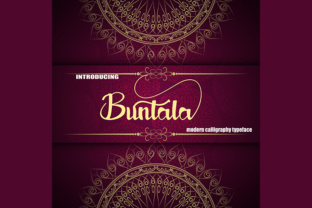
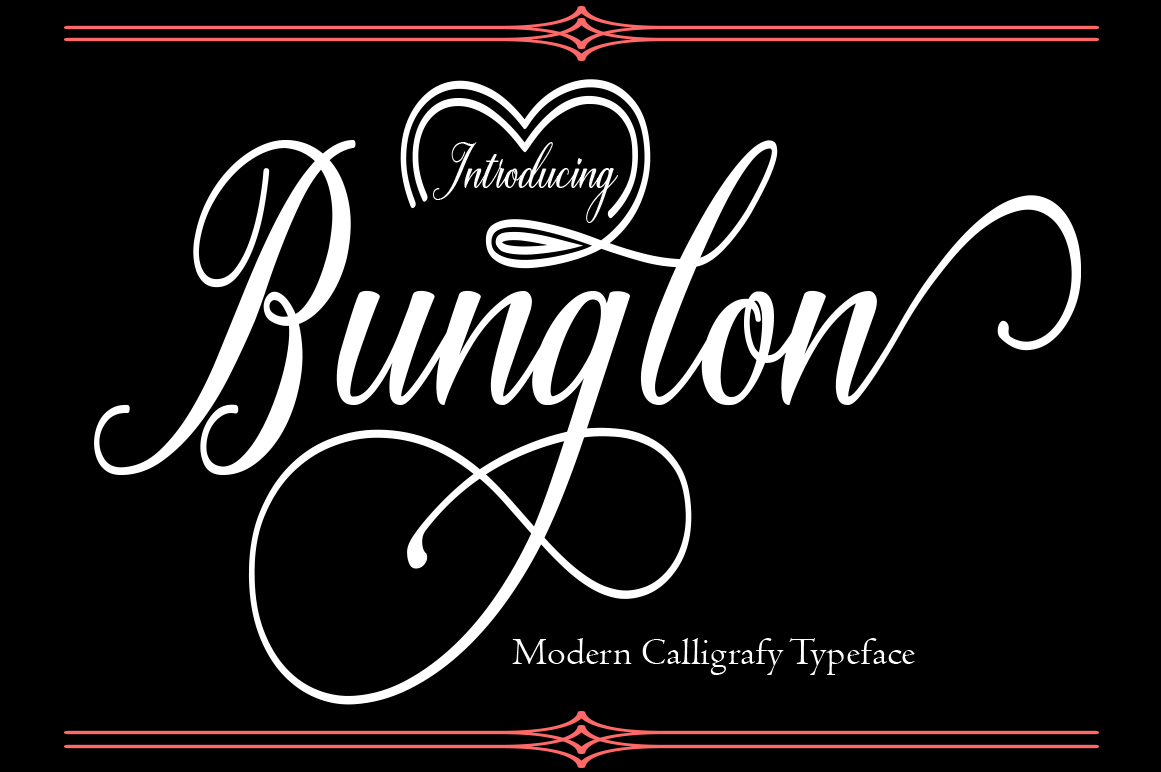
Bunglon is a modern calligraphy script from Script Amp, designed with variable contrast that gives it genuine rhythm—like ink flowing from a flexible nib. It doesn’t shout. It leans in. There’s warmth in its curves, elegance in its spacing, and just enough personality to feel handmade without looking amateurish. Unlike many script fonts that collapse at small sizes or blur on mobile screens, Bunglon holds its shape beautifully—even at 10 pt on a 2-inch product label.
I tested it across five real business touchpoints: printed candle jar labels (3.5 cm wide), Instagram Story templates, a café-style menu board (printed on matte cardstock), thank-you cards for online orders, and the hero banner on her Shopify homepage. In every case, Bunglon added polish—not pretension. Customers didn’t comment on the font itself (they rarely do), but they *did* say things like, “Your brand feels more intentional now,” or “I recognized your packaging instantly at the local boutique.” That’s the quiet power of thoughtful typography.
Where Bunglon Shines—and Where to Use It Thoughtfully
This isn’t an all-purpose workhorse font—and it shouldn’t be. Bunglon is a display font: best for short, high-impact moments where you want to convey care, romance, or refined craftsmanship. Think:
- Logo design — Especially for beauty brands, bakeries, wedding stationers, or artisanal goods. Its fluidity reads as personal and human, not generic.
- Product names on labels & packaging — On a lavender-scented soy candle? “Lavender Hush” in Bunglon feels like a whispered promise.
- Menu headers & café signage — Paired with a clean sans serif for body text, it adds charm without sacrificing clarity.
- Social media graphics — Perfect for quote cards, limited-edition announcements, or seasonal promotions. It scales well in digital ads and looks crisp even in thumbnail previews.
- Thank-you notes & boutique tags — Because handwriting isn’t always practical, Bunglon delivers that hand-lettered warmth—consistently.
That said, avoid using Bunglon for long paragraphs, ingredient lists, or legal disclaimers. Its elegance comes from restraint. Let it lead; let another typeface support.
Pairing Bunglon With Confidence (No Design Degree Required)
My go-to pairing? A warm, neutral sans serif—think something like Poppins, Inter, or Montserrat Light. Why? Because Bunglon brings the soul; the sans serif brings the structure. Together, they create balance: expressive yet readable, distinctive yet trustworthy.
For a skincare brand, I paired Bunglon with a gentle serif (Cormorant Garamond) for a subtle editorial feel. For a bakery’s takeout box, I used Bunglon for the shop name and a friendly rounded sans (Quicksand) for flavor names—soft, cohesive, and approachable. The key isn’t matching styles—it’s matching intent. Bunglon says “this matters.” Your supporting font says “you can read this easily.”
Practical Notes Before You Install It
Bunglon comes with OpenType features—including ligatures, alternate characters, and stylistic sets—that add nuance (like smoother connections between letters “f” and “l”). These aren’t just decorative; they help the font breathe and behave more naturally in real layouts. It includes both OTF and WOFF2 files, so it works seamlessly in design apps *and* on websites.
It supports multilingual Latin-based languages (including accented characters used in French, Spanish, and German), which matters if your brand speaks to customers beyond English-only markets. And yes—it’s a commercial font licensed for use on physical products, packaging, merchandise, digital templates, and client projects. No surprises at checkout or in a cease-and-desist email.
One final note: always preview Bunglon at the exact size and medium you’ll use it. I once loved how it looked on screen—then realized the fine hairlines vanished on uncoated kraft paper. A quick test print saved us from a full label reprint. When in doubt, zoom in on your mockup, hold it at arm’s length, and ask: “Does this still feel like *us*?” With Bunglon, the answer has been yes—every time.